Why historical fiction is important
What has historical fiction ever done for us?
If you are, like me, an avid reader of historical fiction, you might find your bookish friends dismissive of the genre and focussed on reading contemporary novels.
Worse, as a writer of historical fiction, the weight of research and the striving for accuracy can seem so overwhelming that we question the value of our labours.
Human condition
But I believe that we can understand today’s world better by diving into the lives of the generations that came before us. And given the novel as an art form is fundamentally about the human condition, people’s desires and conflicts have changed little in the last couple of thousand years.
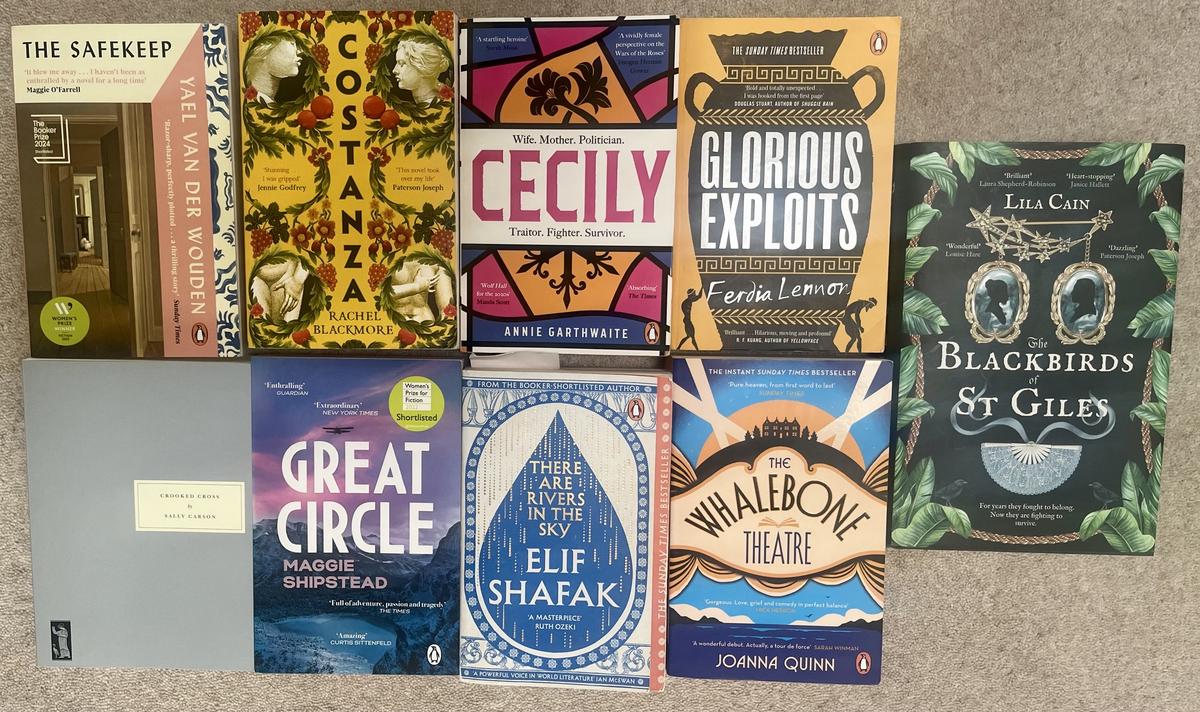
- Glorious Exploits by Ferdia Lennon is set in Syracuse in 412BC – and yet its protagonists’ desire for artistic expression and yearning for love are familiar.
- Cecily by Annie Garthwaite is set in the 15th century Wars of the Roses, and yet the political machinations of Cecily Neville are not so far from the behaviour of today’s politicians.
- Crooked Cross by Sally Carson shows how easily ordinary townsfolk in 1930s Bavaria can fall in with Hitler’s rhetoric and perpetrate violence against Jewish families living in their communities – I hardly need point out the parallels across Europe today.
Untold stories
History should not simply be about royalty, battles or famous people, or whatever the victors have chosen to put on the official record. There are so many untold stories about ordinary people doing extraordinary things. Novels are the perfect form to shine a light on those lesser known lives from the past.
- There are Rivers in the Sky by Elif Shafak portrays the life of a poor boy in Victorian London who became an academic and explorer (loosely based on the real Assyrian expert George Smith).
- Great Circle by Maggie Shipstead imagines a 1930s female aviator following her wanderlust (loosely based on Amelia Earheart, Amy Johnson et al).
- Costanza by Rachel Blackmore shows the damage inflicted on a beautiful woman plucked by famous sculptor Bernini to be his muse and mistress.
Other people’s shoes
Fiction invites the reader to walk in the shoes of people who lived through seismic change and understand their inner world. Reading a book is a personal, intimate experience that makes a greater impact than listening to a lecture or even watching a film or TV drama. We are privy to the internal thoughts of the characters, and the words on the page conjure up images in our head.
- The Safekeep by Yael van der Wouden shows the damage inflicted on both the Jewish community and the Dutch population by the injustices of the Holocaust.
- The Blackbirds of St Giles by Lila Cain highlights the challenges for African Americans living in London in the 18th century
- The Whalebone Theatre by Joanna Quinn dramatizes the London Blitz and the dangerous work done by the Special Operations Exec (SOE) in France.
Important work
And those authors who are writing historical fiction? They (we) are doing important work, diving into the lives of past generations and considering their frustrations, emotions and motivations. All while working hard to ensure the look, tastes and sounds of the world they lived in are authentic and evocative. Plus of course ensuring that the characters and story grip a reader to the last page. Don’t give up – you are building a portal to a past world that helps us understand the present.
Was this article useful?
Join my book club for more practical tips on writing and marketing historical fiction, plus plenty of book recommendations, and behind the scenes insights on my own historical novels.