How to plan an overseas research trip
How to plan an overseas research trip
We all know that historical fiction writers secretly love the research stage. But what do you do when your novel has an overseas setting? You can get quite a long way with online sources. But that doesn’t provide the “feel”, the sensation of a place where your characters once lived. And many local history sources are not catalogued online.
My second novel is inspired by my great-grandfather, Will Clement, who was First Mate for the New Zealand Shipping Company, and brought back Maori objects that are still in the family. They were clearly important to him, but why?
However, New Zealand is the far side of the world for a Brit. Eventually I was able to tag on a few days’ personal research to a family holiday in New Zealand. But how was I to make the most of my free time there? I have summarised my experience to help other writers planning a research trip.
1. Pick your location
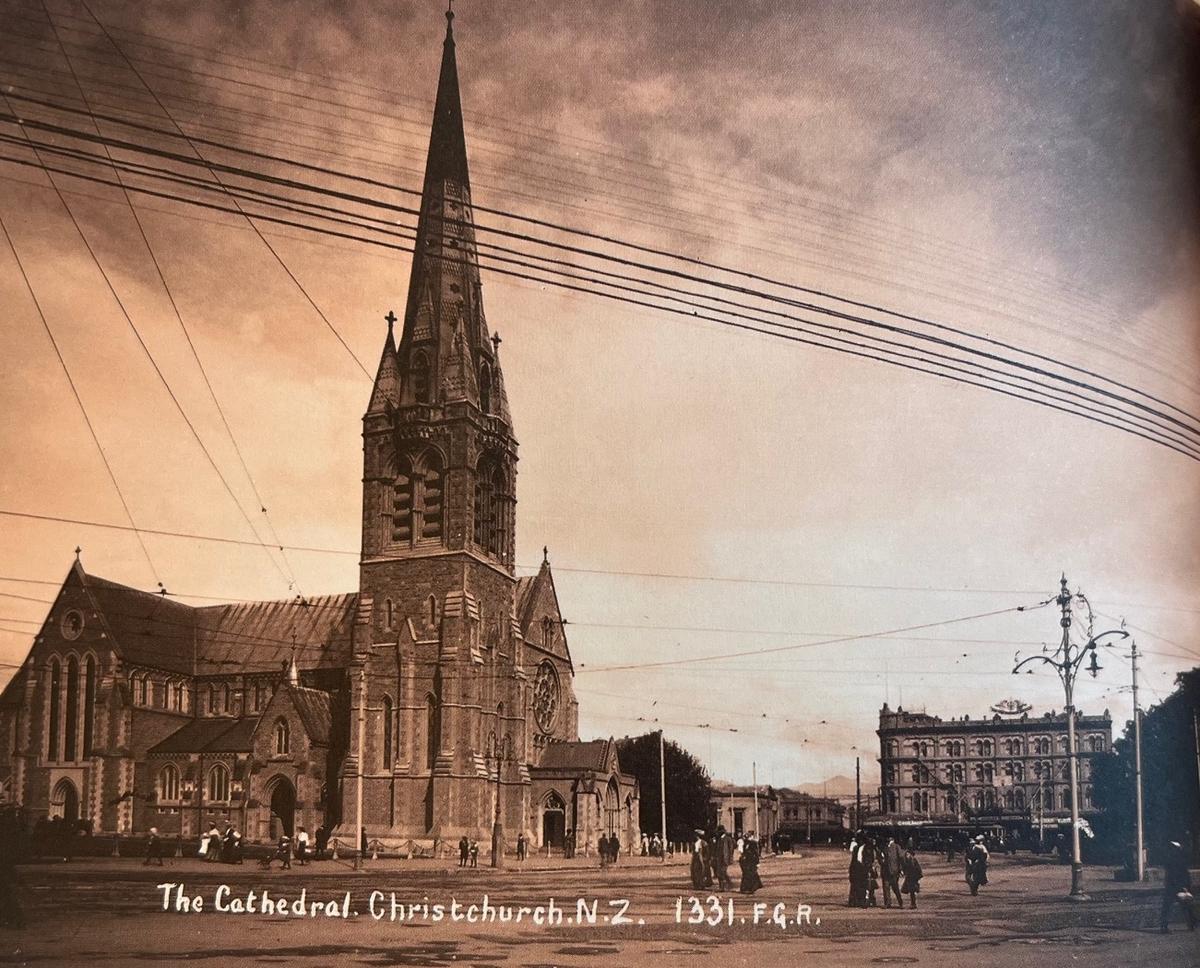
Will Clement arrived in NZ in the port of Lyttelton and spent time in South Island’s capital Christchurch. I picked Christchurch as my base, not least because it has plenty of museums, galleries and libraries.
2. Reach out to experts in advance
A month before my trip, I emailed the curator team at Canterbury Museum. I explained my family links, and that I was researching a novel. I received a long email from curator Julia Bradbury. While the Museum itself was undergoing renovation, she recommended other sources and gave me a reading list. I followed up with the Ngai Tahu Archive, and their archivist Gabrielle Faith sent me a further list of specialist museums, online sources and books.
3. Walk in your characters’ shoes
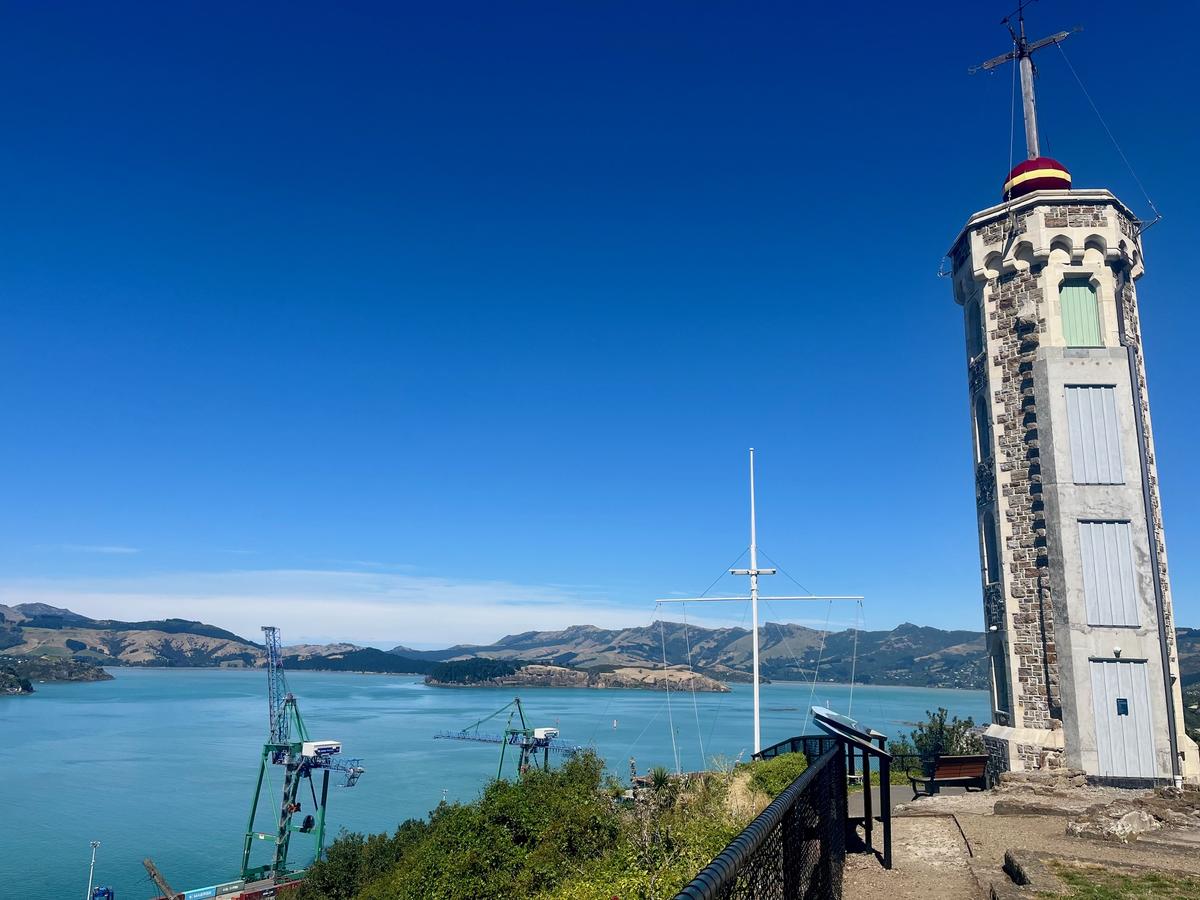
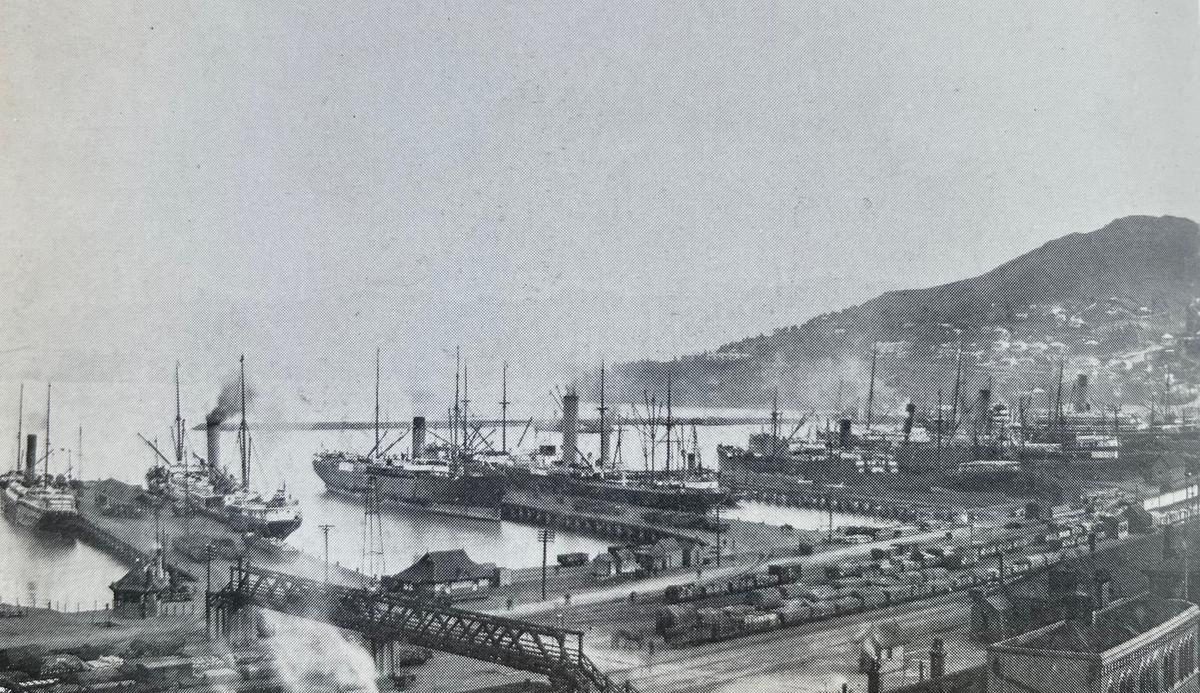
First I visited Lyttelton Port, soaking up its natural environment, and exploring the buildings that would have been there in the 1900s. I became familiar with the Victorian streets and buildings of Christchurch, and its many bridges and winding river. And the natural and agricultural landscapes of South Island, from wide rivers to lush sheep stations and snow-capped mountains.
4. Poke in local libraries and museums
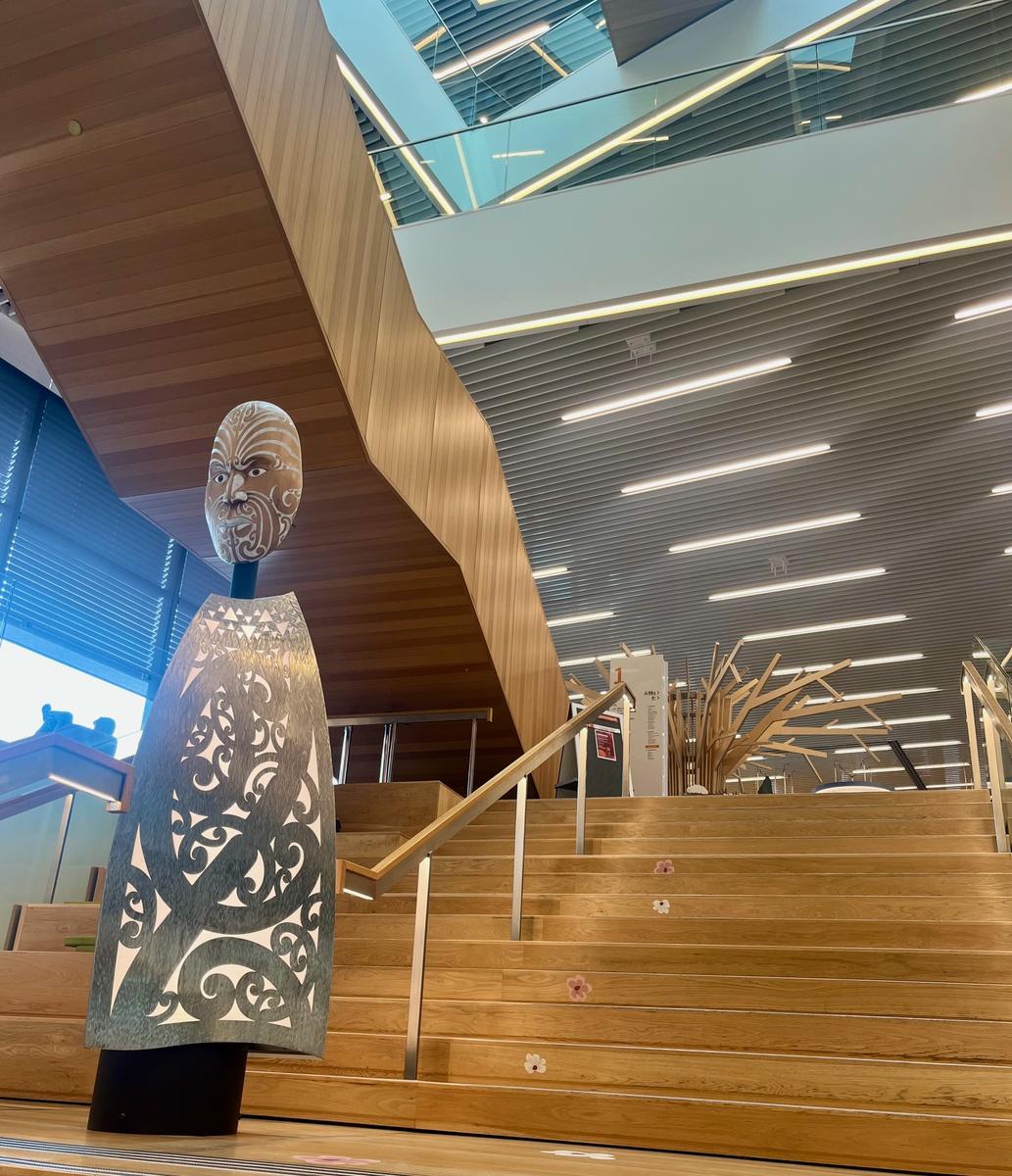
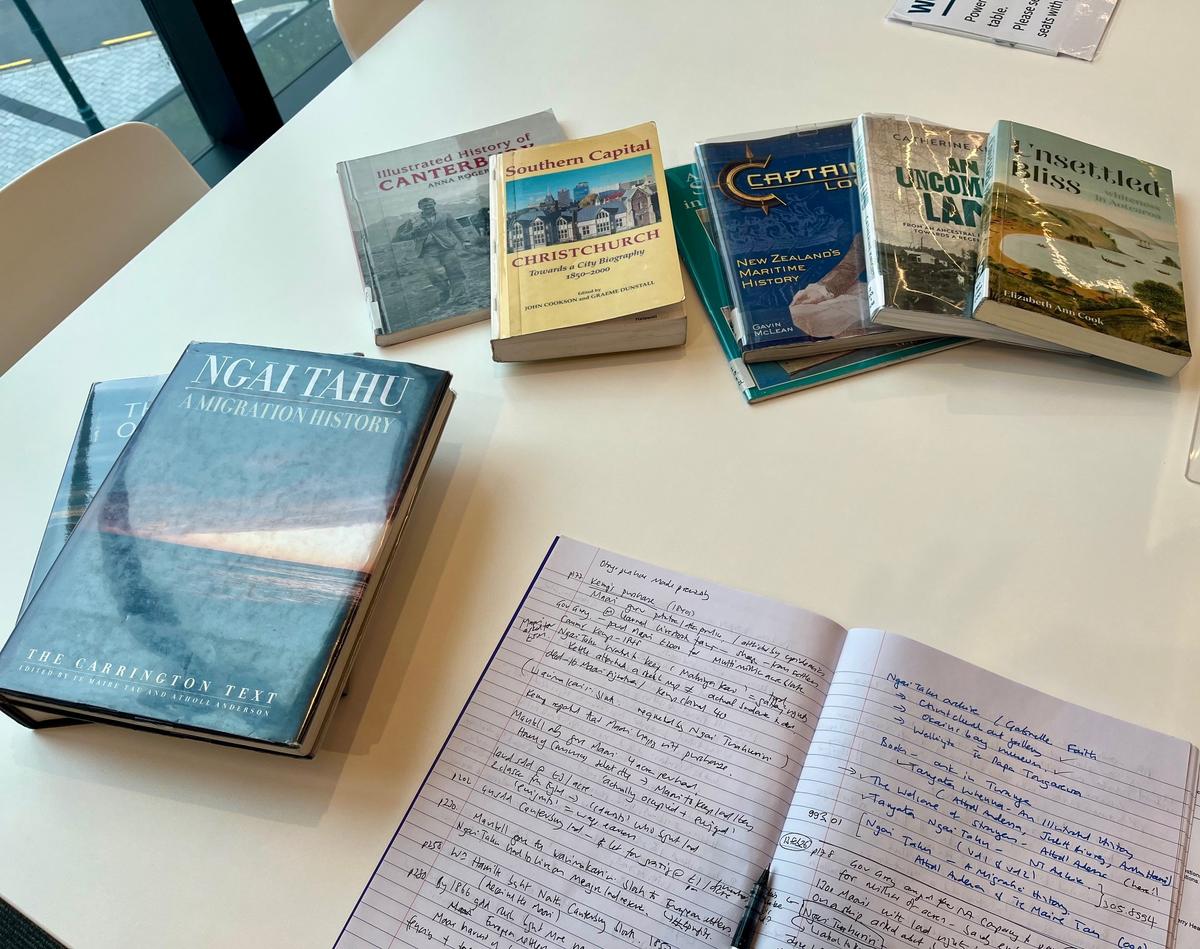
Lyttelton library had a whole shelf of locally produced history books, crammed with archive photos that gave me a real flavour of the 1900s port. Special mention to the Turanga library in Christchurch – a beautiful modern light-filled space with an enviable collection of reference books about settler and Maori history and culture, some of which are out of print. I spent the best part of four days ensconced there, using their excellent digital catalogue to find a couple of dozen books to consult.
5. Follow up leads and talk to locals
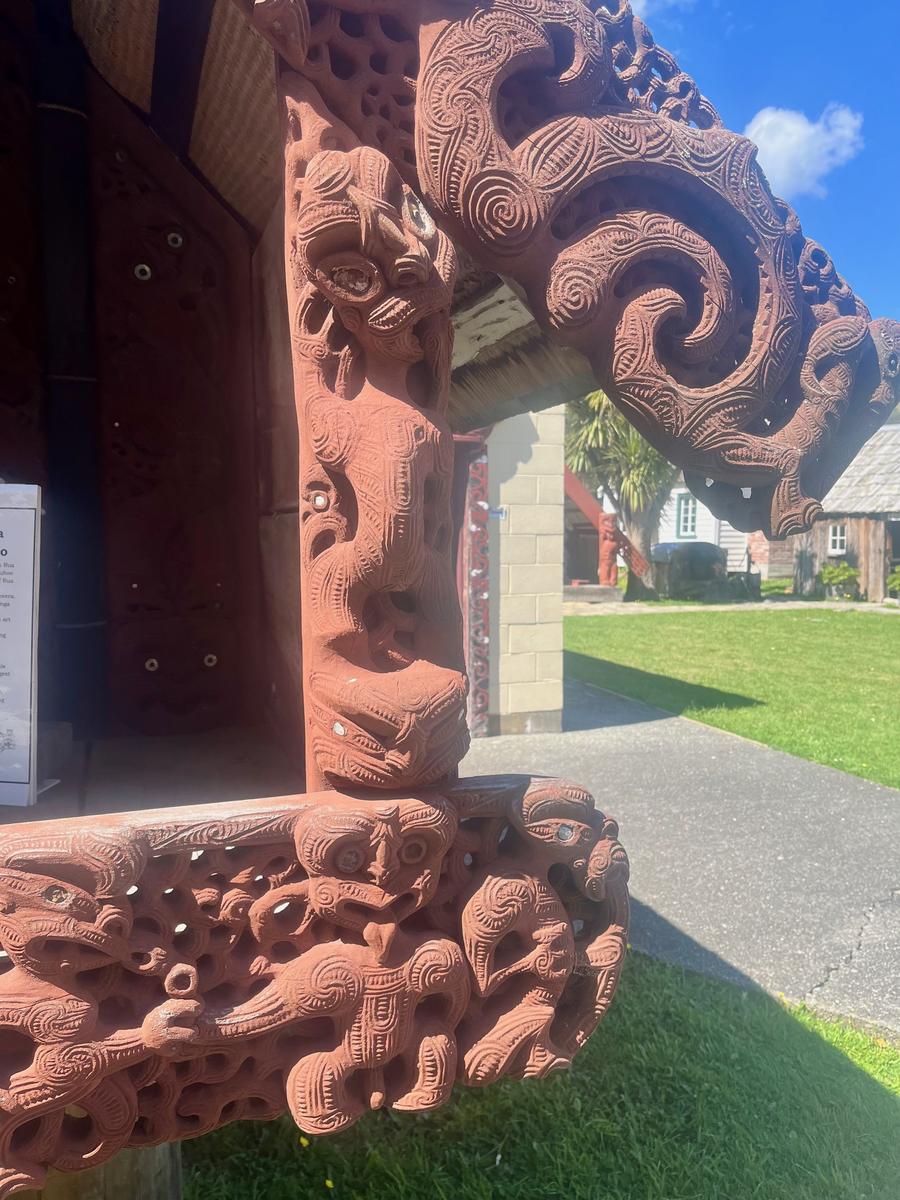
Gabrielle had recommended the Okains Bay Museum, and it was a mission to get there without a hire car. But it was worth it, as the collection of entire buildings representing settlers and Maori life, and a treasure-house of objects immersed me in the New Zealand of the 1900s. Plus I was befriended by Raukohe, the museum’s visitor experience host, who became invested in my genealogy quest and showed me more books.
Christchurch art gallery was another source of inspiration, with a collection of landscape paintings, a special exhibition on the contentious Maori land sales of the 19th century, and ‘political’ art made by contemporary Maori artists.
I even visited a local bookshop and noted the books on NZ history they displayed, searching for them in the library later.
6. Catalogue, order and process your findings
I did my best to label and organise my photos as I went along, and noted new sources and publications referred to in books I was reading, so I could seek them out in the library. This made it possible to dive into detail on pounamu (greenstone) carving, the significance of cloaks and Maori moko (tattoos) plus relevant lore and mythology.
On the long flight home I wrote up the back story of my key New Zealand characters based on what I had learned about the world they lived in.
If you can find the time and space to plan an overseas research trip, I do believe it makes the writing so much easier. I set aside five days in total, plus a couple of days preparation at home, and now have a rich archive of references to draw on for my next draft.
How have you approached overseas research for your writing? If you have tips to share please get in touch via the contact page.