How to brief and design a book cover
How to brief and design a book cover
We all judge a book by its cover, don’t we? So this is perhaps the most important marketing decision you make as an author. While working in magazine publishing for thirty years I knew that well-designed magazine front covers made all the difference to sales. The dynamics of books and book stores are slightly different to a newsstand, but a strong visual image is essential to grabbing the attention of the right audience.
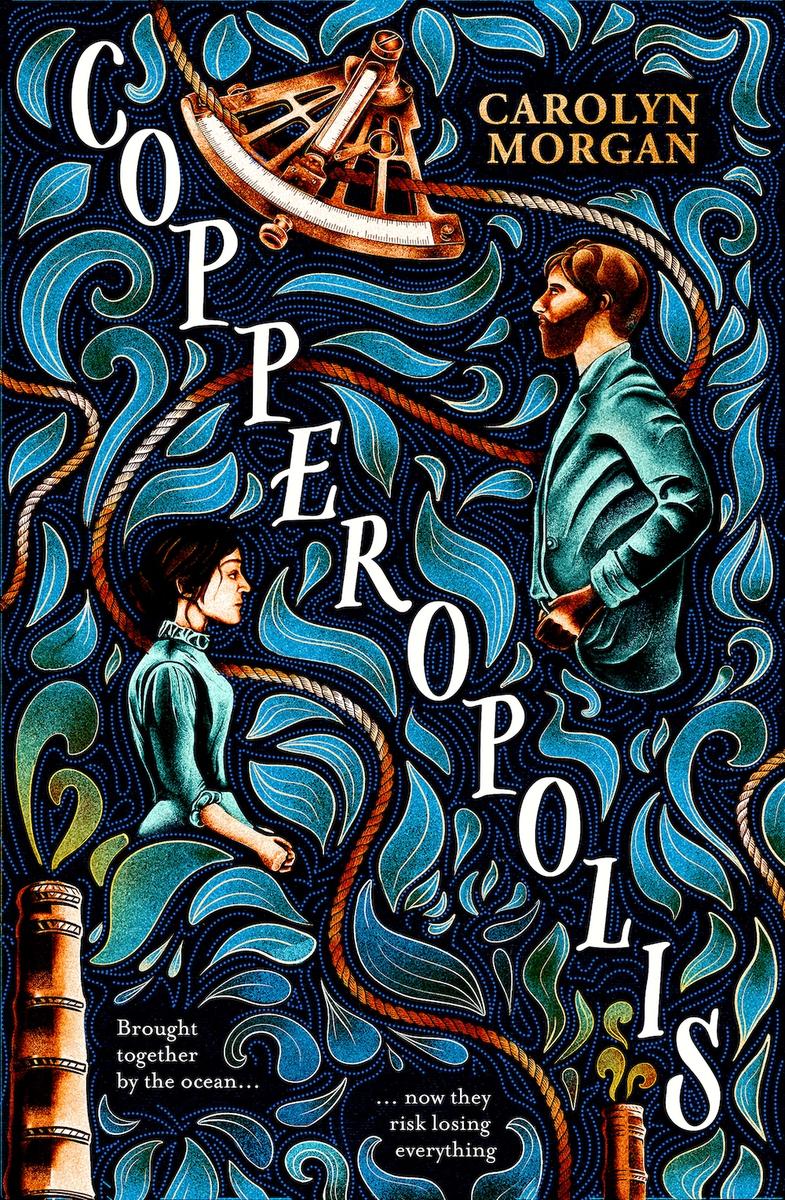
I have just completed the process of commissioning the cover design of my first novel Copperopolis, so I thought I’d explain the steps I took and what I’ve learnt about the process - to help you in your own journey.
Why a cover is important
Book covers go everywhere – in bookshops, at events, on social media, Amazon and other online bookstores, author websites. The cover is the simplest way to sum up the content, tone and style of your novel.
Readers can instantly evaluate the visual impact of a cover to decide what it is about and whether it is for them. People can make immediate judgements about genre, tone and themes.
A cover needs just enough information to prompt a reader to pick it up in a bookshop or click on the link. You can never communicate the entire plot in a single image so don’t try.
Research your genre
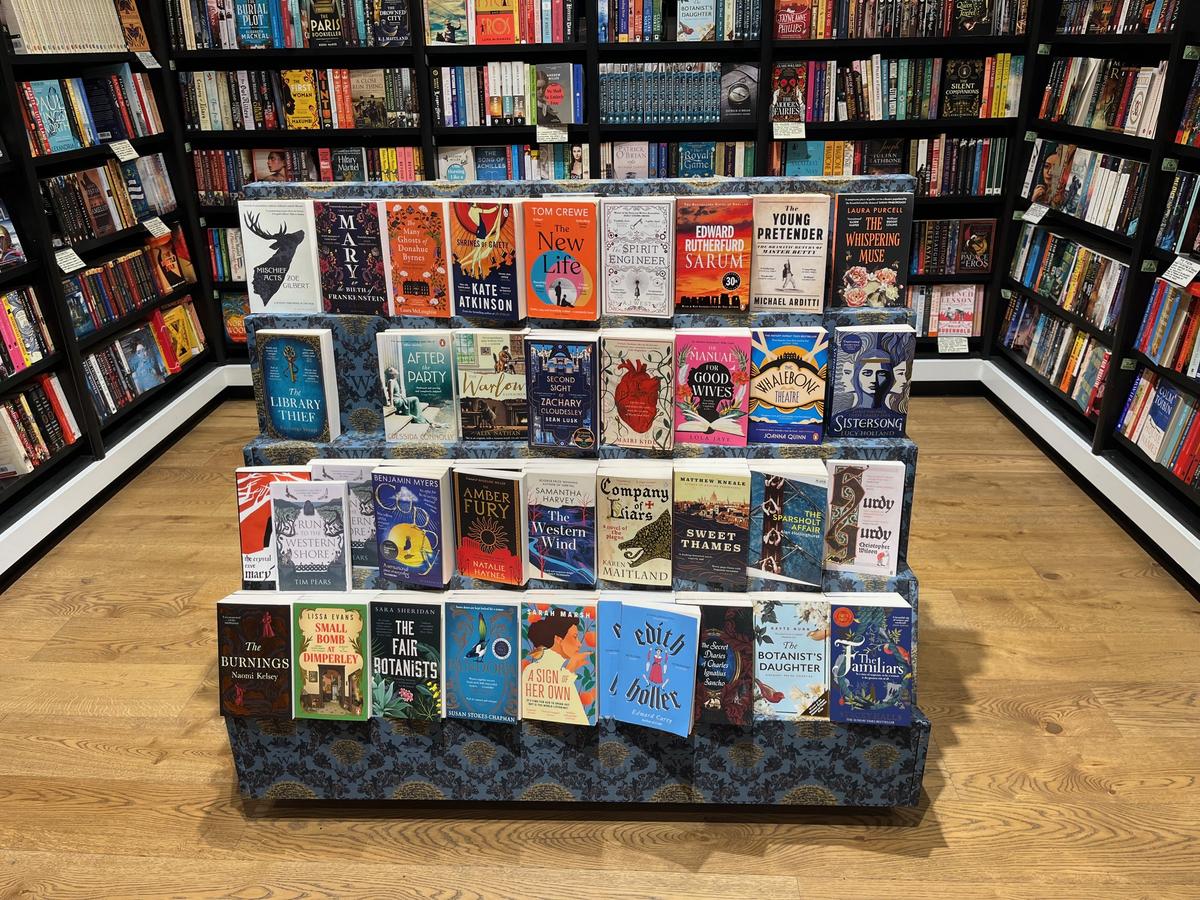
Focus on current books - not books from ten years ago - and ideally books published in the last two to three years, as design trends change. Visit a large bookshop and take pictures of the relevant tables and displays. If you are there for a long time it’s polite to buy a book.
You will soon notice that crime and thrillers use black and fluoro colours, while romance is all pastels and cosy crime sits somewhere in between. Literary fiction is restrained and abstract while contemporary fiction is graphically arresting. My book is historical fiction - covers in this section included more illustration using themes such as figures in appropriate garb, houses, swords, ships, musical instruments and plants.
Pick out a handful of books that are similar in theme and setting to your novel, and analyse their use of colour, type, imagery and how this relates to the contents as described in the blurb. Note common conventions that signal the tone and style of the book.
Write the cover brief
Communicating an entire book in a single image is hard. Make the designer’s job easier by doing the hard work yourself, boiling down the elements of your story to at most three that make it distinctive and recognisable for your target reader. For Copperopolis, my core elements were a couple plus a ship (or something maritime) plus copper smelting.
My cover brief document included:
- Title, author name and strapline for the front cover
- Blurb for the back cover
- Adjectives describing what I wanted the cover to convey
- Bullet point themes of the story so that the designer didn’t have to read the entire novel or even a synopsis.
- Comparable book covers with notes on the elements that might work for my book
Select a designer
Your publisher may have an in-house designer or preferred freelances. If you are self-publishing, take a look at books in your genre whose covers you like and find out who designed them. If the designer is not credited use Google reverse image search to track them down. Ask author friends with similar books who they would recommend.
Once you have a shortlist, check out their websites or portfolios to see if their predominant style matches your novel. Consider whether you will use stock photography, simple graphics or want a bespoke illustration. Ask for quotes and check how many rounds of edits are included, and whether you will have the copyright of the final image (useful for digital and print marketing and promotion). If possible, speak to another author client about the design process.
The cover of Copperopolis was designed by Georgie Proctor
Find reference fonts and images
Make the designers life easier by searching for fonts that communicate the style and tone of your novel, on sites like https://www.myfonts.com/. The length of your title may dictate how typography is used, and other visual elements of the cover will need to work around this.
If you are requesting certain styles of images, look on stock sites to find suitable examples as it’s really hard to describe a visual “feel” using words alone. The intention is not to be prescriptive, but to communicate the look that you think suits your novel best. Designers are visual thinkers – your ideas are prompts for them to weave their magic and surprise you with the results.
Feedback on initial designs
Most designers will come back with two or three rough ideas, then work up your favourite in more detail. Try to maintain distance when you consider draft designs. Look at them in different sizes and on different media from small thumbnails on your phone to a paperback sized cover. Test them out, ideally with people who have worked in book publishing or retailing, not just friends and family. Ask some who have read your book, and some who have not, to see if they can decode the cover to understand its content.
Consolidate the feedback into a simple set of suggestions for the designer. If possible, find cover examples to explain your proposed changes and alternative ideas. Remember it is a creative collaboration with the deisgner - they may well come up with solutions you haven't considered. If you are traditionally published, you may have less say in the cover design, but indie publishers are more likely to listen to authors. And if you are self-published, you are in control!
Approving the final front cover
Aim for no more than three rounds of drafts and feedback to avoid fatigue for both parties. Try to step back and consider whether the cover will work both for bookshop sales and as a digital thumbnail. How does the cover match up to comparable titles?
Design back cover and spine
Once the front cover is final think about the back cover (with the blurb) and the spine. The design needs to complement the front cover. The spine must be readable if your book is stacked spine out in a bookshop or library.
Next steps
Add the cover image to your author website, social media newsletter, publisher listing, website, or online bookstores stop and use it to create print materials such as handouts, bookmarks and posters. Your ideal reader may need to see the cover image up to eight times before it becomes familiar and they are drawn to it in a bookshop or on a screen.
Was this article useful?
Join my book club for more practical tips on writing and marketing novels, plus plenty of book recommendations, and behind the scenes insights on my own historical novels.