Insights on writing a historical novel from HNS conference Maynooth 2026
What is the collective noun for a gathering of over 200 historical novelists? Maybe an archive, or a chronicle… ?
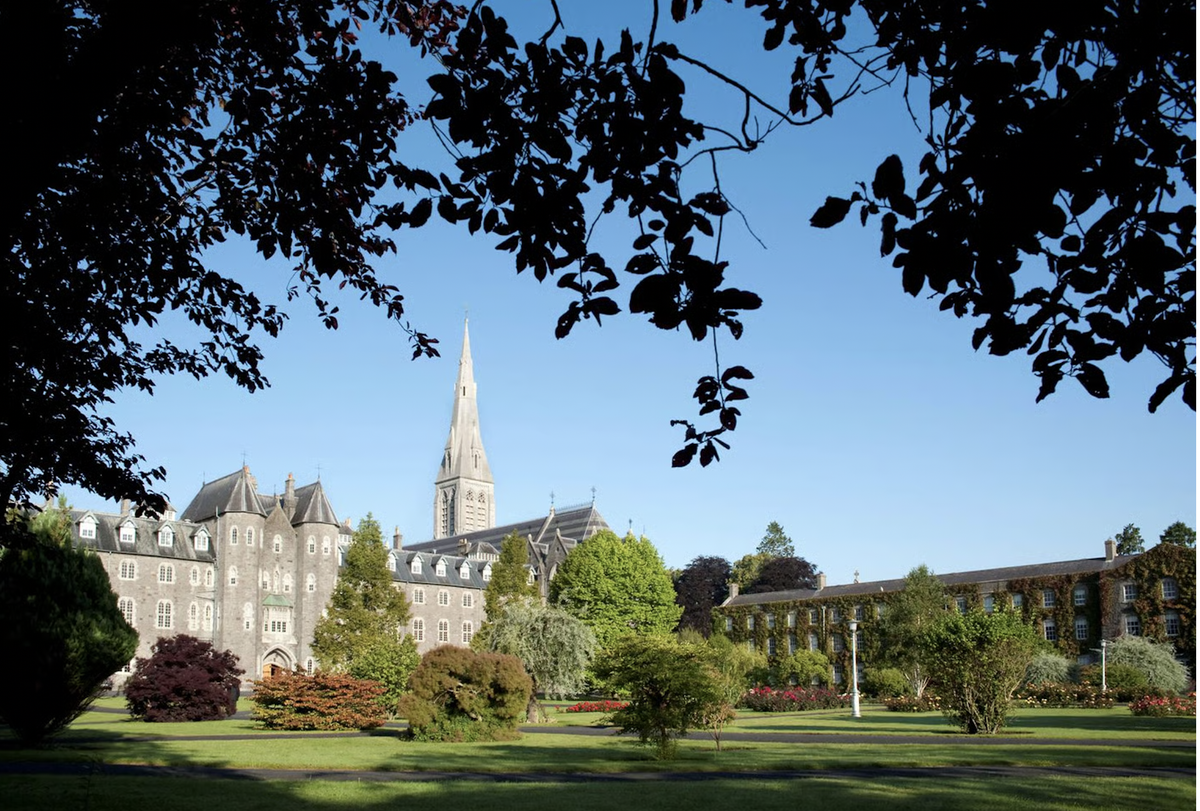
Maynooth, outside Dublin, was the ideal venue for the Historical Novel Society’s 2026 conference, with its medieval ruined castle, long history of the influential Fitzgeralds, and the former seminary and headquarters of Catholic priesthood. Authors ate breakfast in the echoing Pugin Hall and walked through an ivy-clad quad in the footsteps of Tolkien.
Insider tips from historical authors and experts
Yet the sessions were bang up to date, with authors reflecting on how to interpret the past for contemporary readers.
Here’s my top insights from the weekend, organised by the steps involved in devising, researching, planning, writing and marketing historical fiction.
Authors & experts sharing their story include Louise Fein, Amanda Geard, Vaseem Khan, Martina Devlin, Laura Morelli, Matthew Haarfy, Justin Hill, Jean Gill, Essie Fox, Lenore Hart, Laurence O’Bryan, Christopher Cevasco, Michelle Moran, Sophie Perinot and many more
See initials after each line to see who said what.
1. Picking a story to write
- Widen the appeal of your book by including a present-day timeline with a character who uncovers hidden secrets along with the reader - LF
- Include a theme that today’s reader can relate to (deception, betrayal, technological change) - LF
- Pick an unusual angle or character (e.g. a German girl who is beguiled by Nazi propaganda) - LF
- Write the hook first, then the blurb, then the outline – before you start writing the story - AG
- Analyse successful books in your genre – what structure, stakes, conflict? – AG
- Writing about a legend can broaden your audience – but accuracy is crucial and you may have to grapple with expectations of a fan base – CC, MM, SP
- Works of art are a potent source of inspiration: the hidden story in the painting, the process which created it, the expectations of the patron, the artist’s own life, the life of the painting after it is completed – LM
2. Researching the setting
- Children’s non-fiction books are great for an overview of a time period – and often have good visuals – KF
- For authentic voices of the past, go to letters, personal documents, accounts, court reports, diaries, letters to newspaper editors – KF
- If you buy your reference books, annotate with colour coded tabs for each character or storyline. Document your references with the book title and page number for easy reference. - KF
- Visit important locations in person to pick up on sensory detail: smells, atmosphere – KF
- If using online sources – double check references – KF
- Be aware that establishment historical sources may be biased (eg British colonial era in India) – VK
- Seek out personal accounts/ stories – aim for an unusual or unexpected angle – VK
- Beware of cultural appropriation if writing a character outside your own culture or experience. Useful resource here: Turning the Page - VK
- Writing about “common folk” (i.e. not kings and queens) especially from earlier centuries may mean using unusual sources. Poetry, literature, graffiti, archaeological digs, vases, art, contemporary books and documents, ecclesiastical records are all used by authors to understand people’s lives – MH, JH, JG
- Beware of assuming people from long ago were unsophisticated – they may not have been literate but had skills in oral storytelling, navigation, herbal medicine, agriculture and survival in the wild. – MH, JH, JG
3. Planning the story
- Build timelines, maps or diagrams to ensure accuracy on dates – KF
- Storyboard the plot to ensure it is plausible – KF
- Don’t interrupt the flow when writing with research fact-checking – just add a note and do it later – KF
- The phrase “inspired by true events” can get you out of tricky conversations about historical accuracy – and a good historical note allows you to confess when you have tweaked history to make a good narrative. – MD
- Do the research first (up to 6 months) then set it aside and start writing. – EF
- Art of the time can help inspire the right mood for a scene - EF
4. Writing craft tips
- Create a character readers can care about - LH
- Start with action – and the character’s name - LH
- Establish setting with minimal description - LH
- Dialogue should reveal character or advance plot – not too much filler! - LH
- Descriptions can reveal character – what do they notice? - LH
- Get in late and leave early for each scene - LH
- When picking competitions, research past winners and judges – is it a match with your genre/style? – LH
5. Marketing
- A pitch is an invitation to your novel – e.g. Love story, survival story, family conflict, struggle against injustice - LB
- Different pitches for agent, book description, Amazon, Facebook ad - LB
- A pitch must create enough curiosity for the next step - LB
- Amazon page: need compelling reason to click - LB
- Hook: what is at stake? What emotion in reader? What makes it irresistible? - LB
- Unusual protagonist or setting
- Conflict – opposing forces (e.g. adventure vs family)
- Relationship, secrets, impossible choice
- Emotional promise (adventure, intrigue, romance)
- What if?? - Pick 5 ideas/ run one each week/ test image/FB or insta - LB
- Hook = first sentence of book description - LB
- Can highlight different aspects of the book through two different pitches e.g. setting and romance - LB
If you were also there and attended different sessions, please get in touch via the contact page and share what you learned.
Discover more about the Historical Novel Society here.
Join my book club for monthly updates on recommended historical fiction, plus a behind the scenes look at my writing, publishing and marketing journey