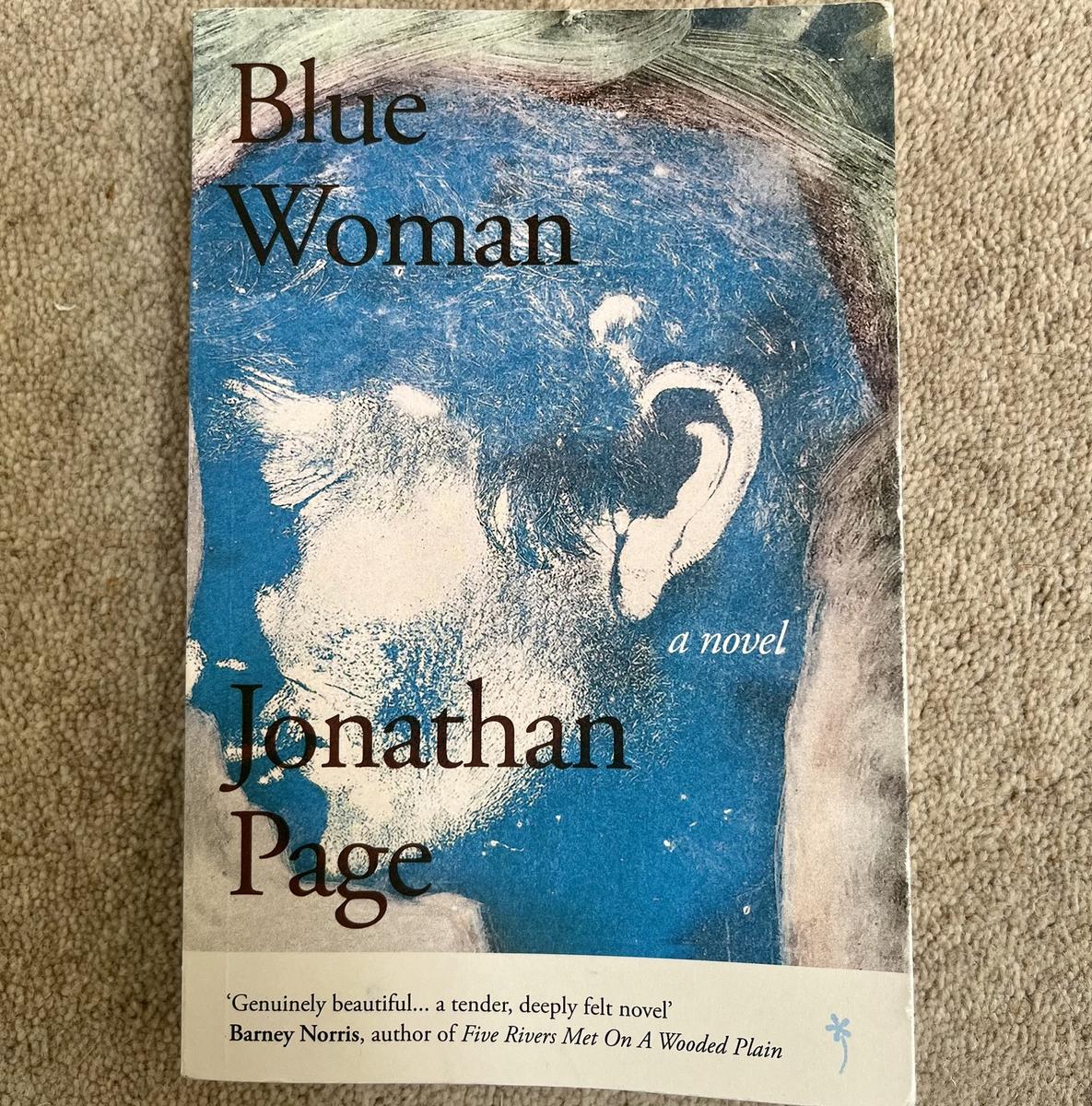
Review of Blue Woman by Jonathan Page
When a female artist is obsessed by her art how do her loved ones react? And what endures after her death?
*
1937. After she is forced to give up her baby for adoption, Rose flees rural Wales to pursue her love of art in London. In the ruins of the post-war city, she marries insurance agent Ron, but her art always comes first.
Her reputation builds and she donates a painting – “Blue Woman” – to her long lost son, David, prompting disaster. As Rose achieves success, Ron is directionless and their daughter Emma neglected. A retreat back to Wales renews Rose’s creativity but accelerates Ron’s decline.
A retrospective exhibition in the 1980s forces Rose’s extended family to confront the past, and the emotional price of her art.
*
Was the trauma of her adolescence in Wales and the London Blitz the impetus for Rose’s obsession with painting? In a man, her extreme focus might have been admired – in a woman, it is seen as an eccentricity, even an aberration.
The episodic style of the novel, with intense scenes interspersed by gaps of several years, is at first disconcerting (although the year is always handily referenced at the top of the page). But we are in safe hands. The author honed his craft with short stories and is a master at providing just enough information for the reader to work out what has taken place in the intervening years.
The prose is simply beautiful, delineating scenes in spare, economic brushstrokes. At times of high emotion, Rose notices small visual details, as if she is always sketching in her mind, even when she has no brush or pencil to hand.
The titular artwork, “Blue Woman”, is practically a separate character in the narrative. Born in 1960, she prompts outrage in rural Wales, then adoration. After nearly being lost, she returns to her creator’s artistic home.
The scenes from the viewpoint of Rose’s husband, daughter, son and studio assistant shed light on the difficulty of domestic life with an artist. These are so well crafted I wonder whether the author has direct personal experience.
Come for the exquisite prose and careful recreation of the modern art scene of the 60s and 70s. Stay for the gentle portrait of rural Wales and the arc of a long creative life, with all its desperate troughs and transcendent joy.
*
I picked up my copy at the Weatherglass stand at the Alternative Book Fair. A fabulous spot for literary serendipity.
Published by Weatherglass books
https://weatherglassbooks.com/shop/blue-woman
Author website: https://www.jonathanpage.info/
*
Enjoyed this review?
Join my book club for monthly updates on new reviews and a behind the scenes look at writing historical fiction